
Swiss design has a reputation that is hard to shake: precise, restrained, quietly confident. But reducing it to “minimalism with a good watch attached” misses the point. Today, Swiss design is not just an aesthetic language; it is a cultural force shaping how people live, move, work, and even think about value. From Zurich apartments that feel improbably calm to digital interfaces that are almost suspiciously easy to use, Swiss design keeps showing up in daily life with the same message: clarity matters.
What makes it especially relevant now is that the world seems to be craving exactly what Swiss design has long offered. In an age of visual noise, over-engineered products, and trend cycles that burn out fast, the Swiss approach feels less like a style and more like a survival strategy. Why add more when you can add better?
What Swiss design really means today
Swiss design is often associated with the International Typographic Style, clean grids, sans-serif typography, and an almost moral commitment to order. That legacy still matters, but modern Swiss design is broader than poster layouts and museum identities. It stretches across architecture, product design, digital systems, furniture, mobility, and public space.
The core principles remain recognizable: functionality first, visual clarity, high-quality materials, and disciplined restraint. Yet contemporary Swiss designers are not merely preserving a mid-century aesthetic. They are adapting it to a world shaped by sustainability, technological acceleration, and urban density. The result is a design culture that feels less nostalgic than many expect.
In practice, that means a coffee table, a transit app, and a public bench may all share the same underlying logic. Each is expected to do its job without drama. Swiss design does not demand attention. It earns trust.
The quiet power of restraint
Restraint is easy to misunderstand. To the untrained eye, it can look like a lack of imagination. In reality, it often signals the opposite. Swiss designers tend to remove noise so the essential elements can do more work. That discipline is visible in everything from packaging and signage to interiors and product interfaces.
This approach has become increasingly attractive in modern life because people are exhausted by friction. We are tired of products that need tutorials before they make sense. We are tired of spaces that look impressive but function poorly. Swiss design answers with a practical question: what if the object just worked?
That question has cultural weight. In homes, it can translate into calmer interiors, flexible furniture, and fewer objects competing for space. In workplaces, it becomes better organization and more efficient visual communication. In public life, it shows up in wayfinding systems that actually help people get where they are going. Revolutionary? Not exactly. Useful? Extremely.
Swiss design and the rise of thoughtful minimalism
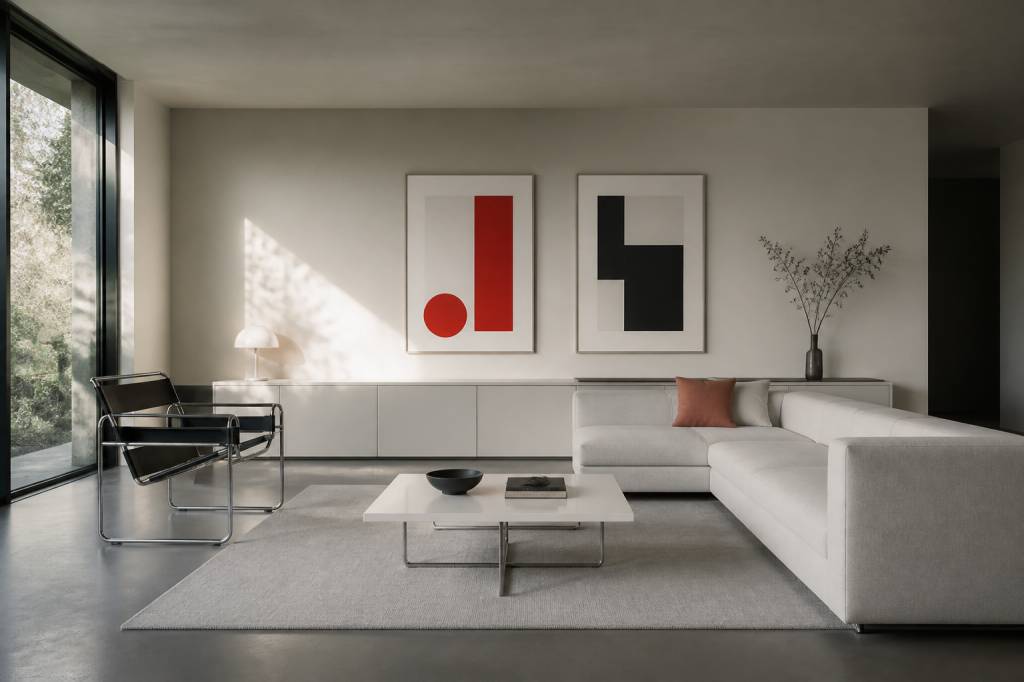
Minimalism has become a global aesthetic, but Swiss design helped define the version that values precision over emptiness. There is a big difference between an empty room and a well-edited one. Swiss-inspired minimalism is less about stripping life bare and more about creating room for purpose.
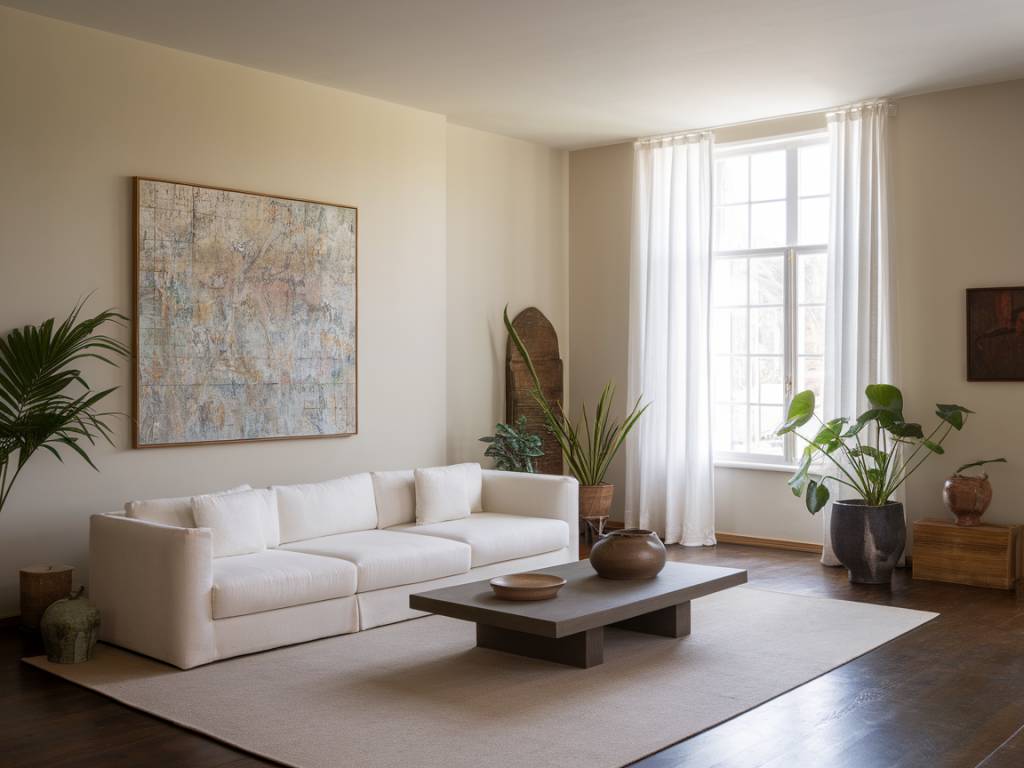
This distinction matters in everyday living. A Swiss-influenced home is not necessarily stark or cold. It can be warm, tactile, and lived-in, but with a clear visual hierarchy. Materials are chosen carefully. Colors are often muted, but not lifeless. Storage is integrated rather than shouted. The effect is a kind of calm that feels designed rather than accidental.
That same thinking is now shaping consumer habits. People are buying fewer but better things. They are investing in pieces that last, age well, and solve real problems. In other words, Swiss design aligns neatly with the growing suspicion that “more” is not always progress. Sometimes it is just clutter with better marketing.
How Swiss architecture influences daily life
Swiss architecture has long balanced modernist rigor with environmental sensitivity, and that balance is increasingly relevant. In a country where space is limited and landscapes are protected with unusual seriousness, buildings have to respect context. That has produced a design culture that values efficiency, durability, and a strong relationship to place.
Modern Swiss residential design often emphasizes natural light, compact planning, and multifunctional spaces. These are not just aesthetic preferences; they are practical responses to urban living and changing household structures. Apartments are designed to feel larger without wasting square meters. Shared spaces are planned to encourage circulation rather than congestion.
There is also a strong public dimension. Swiss cities invest heavily in transport, pedestrian access, and civic spaces that are intuitive to navigate. The result is an everyday environment where design supports behavior rather than trying to control it. That may sound like a small thing, but anyone who has spent ten minutes trying to decode a poorly planned station knows it is not.
Typography, identity, and the Swiss influence on digital culture
Swiss design may have entered the digital age quietly, but its influence is everywhere. The grid systems, typography, and hierarchy principles that defined print design in Switzerland now shape websites, apps, dashboards, and branding systems around the world. If a digital interface feels organized, legible, and efficient, there is a good chance Swiss thinking is somewhere in the background.
This matters because digital culture is often built on speed and overload. Users are asked to make decisions fast, often while distracted. Swiss-inspired interface design helps reduce that cognitive burden by making information scannable and interactions predictable. That is not just a stylistic preference; it is a usability advantage.
Even beyond function, there is cultural influence. Brands increasingly want to signal trust, transparency, and intelligence. The Swiss visual vocabulary delivers exactly that: clean typography, disciplined spacing, and a confident absence of gimmicks. In a market flooded with louder competitors, understatement can be a power move.
Sustainability is not an add-on in Swiss design
One of the strongest reasons Swiss design feels current is that sustainability is built into its logic. If you start with durability, repairability, and long-term usefulness, you are already moving in a more responsible direction. Swiss design has long favored quality over disposable novelty, and that philosophy now looks strikingly modern.
Designers in Switzerland are increasingly working with recycled materials, low-impact production methods, and modular systems that extend product life. In furniture and industrial design, this means objects that can be disassembled, repaired, or adapted instead of discarded. In architecture, it means energy efficiency, smart material use, and planning that respects both climate and context.
This is where Swiss design quietly outperforms trend-driven aesthetics. A product designed to last five years may look exciting in a launch campaign, but one designed to stay relevant for fifteen years does more than please the eye. It reduces waste, preserves value, and changes how people consume. That is a cultural shift, not a style preference.
Everyday living, Swiss style
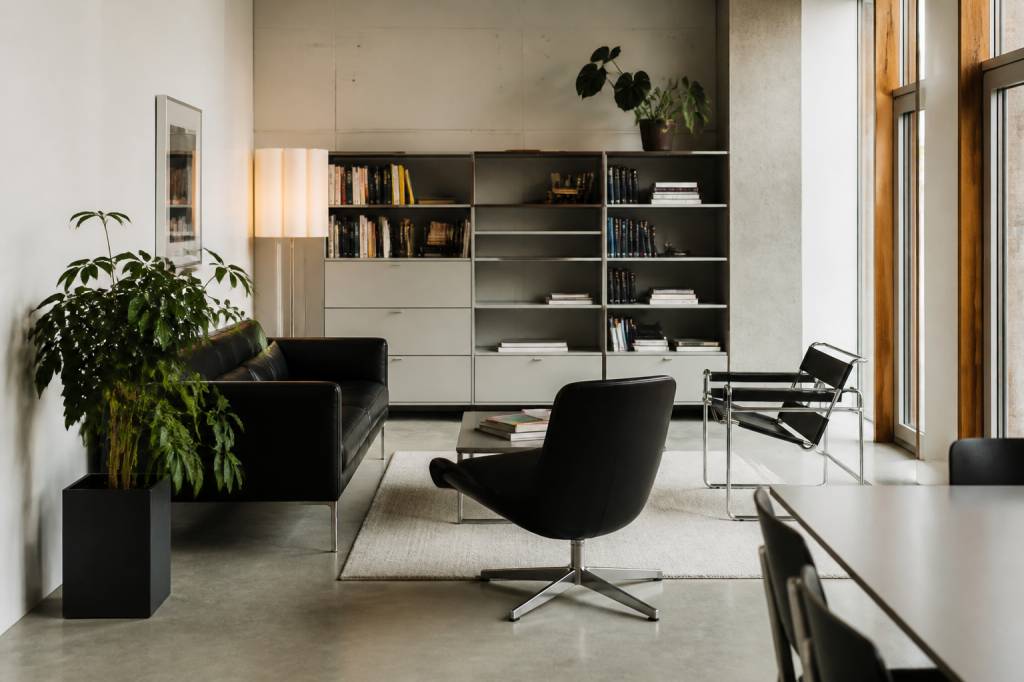
What does Swiss design look like in ordinary life? Often, it is less dramatic than people imagine. It is the chair that supports long meals without becoming a visual obstacle. It is the kitchen layout that keeps tools close and clutter hidden. It is the lamp that provides excellent light and does not beg for attention. It is the transit map that reduces confusion at 8:15 on a rainy Monday.
These details shape the rhythm of daily living. Swiss design improves the small repeated moments that define how a space or object feels over time. And because it is usually understated, people may not even notice how much it is helping. That invisibility is part of its success.
There is also a psychological dimension. Clear, orderly environments can reduce stress and support focus. While design alone cannot solve the chaos of modern life, it can soften it. That is especially important in homes that now function as offices, classrooms, gyms, and social spaces all at once. Swiss design’s flexibility is no longer a luxury; it is a practical response to how people actually live.
Swiss design in fashion, branding, and lifestyle culture
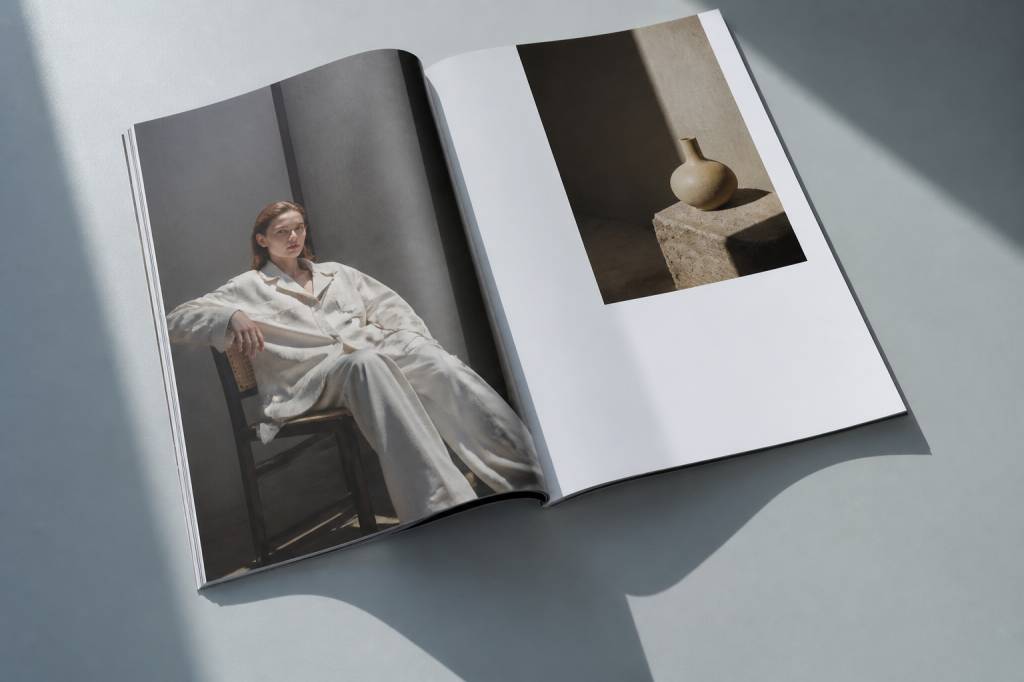
The influence of Swiss design extends well beyond interiors and architecture. Fashion labels borrow its disciplined silhouettes and monochrome restraint. Beauty and lifestyle brands use Swiss-inspired packaging to communicate purity, competence, and premium quality. Even hospitality spaces increasingly lean into the same logic: clean lines, tactile materials, and environments that feel composed without being sterile.
There is a reason this vocabulary travels so well. It reads as international without being generic. It feels contemporary without looking disposable. In branding, that combination is gold. Consumers may not consciously identify a Swiss influence, but they often recognize the emotional effect: trust, calm, and a sense that someone thought this through.
At the same time, the style is evolving. Younger designers are blending Swiss rigor with warmer palettes, organic forms, and more expressive cultural references. The result is a less rigid, more human version of the tradition. The grid remains. The personality has simply found a way to breathe.
Why Swiss design keeps resonating
Swiss design endures because it solves a problem that only seems to be getting bigger: how to create meaning in a crowded world. It does not rely on excess to feel important. It relies on coherence. And coherence, in modern culture, is underrated.
There is a practical lesson here for anyone interested in how design shapes behavior. Good design does not merely decorate life; it organizes it. It can influence how people move through a city, how they understand information, how they interact with objects, and how calm or overwhelmed they feel in a space. Swiss design understands this better than most traditions because it treats design as a civic responsibility as much as an artistic one.
That may be why its influence keeps expanding. It fits the demands of contemporary life without chasing novelty for its own sake. It respects intelligence. It respects time. And, perhaps most importantly, it respects the user.
In a culture obsessed with standing out, Swiss design offers a more durable proposition: stand up to use, stand up to time, and let the results speak quietly for themselves.