


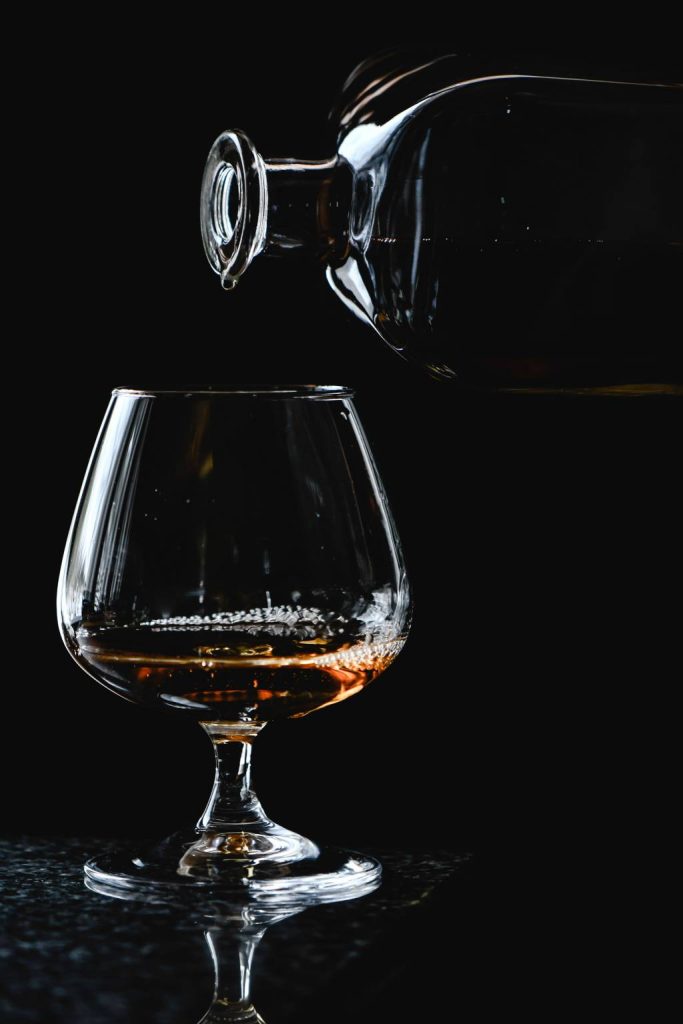
The essentials you need before tasting
Learning how to taste cognac like a professional at home starts with preparation. You do not need a full bar or expensive tools, but a few key elements will dramatically improve your experience and help you identify aromas, flavors, and textures more accurately.
First, choose the right glasses. Professional tasters avoid shot glasses or wide tumblers because they do not concentrate the aromas. Instead, use:
- Tulip glasses – Narrow at the top, wider at the base, ideal for focusing aromas.
- ISO tasting glasses – Standard wine-tasting style, perfectly suitable for cognac.
- Small white wine glasses – A good alternative if you do not own dedicated spirits glasses.
Many people use balloon snifters, but they can trap too much alcohol and distort the aromatic profile. A more vertical glass allows a cleaner reading of the nose.
Next, pay attention to temperature. Cognac is best tasted slightly below room temperature, around 18–20°C (64–68°F). Too cold and the aromas will be muted; too warm and the alcohol will dominate. Avoid holding the glass in your palm for long periods, which heats the spirit excessively.
Prepare a neutral environment:
- No strong cooking smells, candles, or incense.
- No heavy perfume or aftershave.
- Neutral lighting and a calm atmosphere so you can focus.
On the table, have ready:
- A carafe or bottle of still water (room temperature).
- A glass of water for cleansing the palate.
- Plain bread or unsalted crackers.
- A notepad or notes app to record impressions like a professional.
Choosing the right cognacs for your session
To taste like a professional, compare several cognacs side by side. This allows you to perceive differences in age, style, and complexity much more clearly than if you taste only one.
Ideally, assemble a small flight such as:
- VS (Very Special) – Generally aged at least 2 years; fresher, fruitier, often more fiery.
- VSOP (Very Superior Old Pale) – Typically aged at least 4 years; more balanced, with deeper oak notes.
- XO (Extra Old) – Usually aged 10 years or more; complex, layered, and often more refined.
You can also compare different houses or terroirs, but for a first professional-style tasting, focusing on age categories provides a structured learning path. Pour each sample in equal measures, around 2–3 cl (0.7–1 oz), and label them clearly so you can track your impressions.
Setting up your tasting environment at home
Professionals create an environment that minimizes distractions and maximizes sensory accuracy. You can replicate this at home with a few simple habits.
- Timing: Late morning or late afternoon is ideal, when your palate is fresh and you are not too tired.
- Food: Avoid spicy, heavily seasoned, or very sweet foods at least an hour before tasting.
- Lighting: Use natural or white light so you can evaluate color properly.
- Surface: Place a white sheet of paper or a white placemat under your glass to better examine the appearance.
Turn off the TV, music, and phone notifications. The aim is to give your full attention to what is in the glass, just as a professional would in a tasting room.
Step 1: Evaluate the appearance
Visual examination might seem less important than aroma or taste, but professionals begin with the eyes. Carefully observing the liquid prepares your mind to analyze the rest.
Hold the glass by the stem or base and tilt it gently over a white surface. Look for:
- Color: Shades can range from pale gold to deep amber and mahogany. Younger cognacs tend to be lighter and brighter; older ones display richer, darker tones and sometimes coppery highlights.
- Clarity: The liquid should be perfectly clear and luminous, without haze or particles.
- Viscosity (“legs”): Swirl the glass gently and watch the droplets forming on the inside. Slow, thick legs can indicate higher alcohol or glycerol content and often correlate with a richer mouthfeel.
Color is influenced by aging in oak barrels and, in some cases, by a touch of caramel for consistency. While it doesn’t reveal everything about quality, it hints at style and maturity.
Step 2: Nosing the cognac like a pro
Aroma analysis is at the heart of professional tasting. The nose reveals a large part of the spirit’s character long before you take a sip. Approach this stage gradually to avoid overwhelming your senses with alcohol.
Begin with a gentle first impression:
- Bring the glass to your nose without swirling.
- Inhale slowly with your mouth slightly open.
- Note the first impressions: fruity, floral, spicy, woody?
Then, swirl the glass lightly to open up the bouquet and take a second, more focused sniff. Try to identify categories of aromas:
- Fruit: Fresh grapes, citrus, apricot, peach, plum, dried fruits like fig or raisin.
- Floral: Jasmine, iris, rose, violet, orange blossom.
- Spice: Vanilla, cinnamon, nutmeg, clove, pepper.
- Oak and toasted notes: Toasted bread, oak, coffee, cocoa, tobacco, cigar box.
- Gourmand notes: Honey, caramel, toffee, chocolate, almond, hazelnut.
Professional tasters often move the nose slightly inside the glass to explore different “zones” where aromas concentrate. Take short, gentle sniffs rather than deep inhalations that can numb your senses.
If you are tasting several samples, smell them all before taking a first sip from any of them. This allows you to map the aromatic differences and train your memory to recognize distinct styles of cognac.
Step 3: The first sip and mouthfeel
Now comes the moment to taste. Professionals never rush this step. The first sip is primarily about adjusting your palate to the alcohol and assessing texture.
Take a small amount and let it roll gently over your tongue without swallowing immediately. Focus on:
- Attack: The first sensation when the cognac touches your palate. Is it soft, round, sharp, or fiery?
- Texture: Does it feel light, silky, creamy, or robust?
- Balance: Is the alcohol well integrated, or does it burn?
Swallow slowly and pay attention to any warmth in your throat and chest. A well-crafted spirit will offer depth without harshness. If you find the alcohol too intense, take a sip of water, wait a minute, and then return to the glass. Your palate needs time to adapt.
Step 4: Flavor development and finish
Professionals look not only for what they taste, but also for how flavors evolve over time. After the first sip, take a second one, slightly larger, and focus on three phases.
- Entry on the palate: Which flavors appear first? Often fruits or floral notes for younger cognacs.
- Mid-palate: This is where structure reveals itself—spices, wood, toasted or gourmand notes.
- Finish: The lingering sensations after swallowing; their length and complexity are key quality indicators.
Try to identify specific flavors rather than general categories:
- Stone fruits like apricot or peach.
- Citrus zest such as orange or lemon.
- Baked apple, fig, or prune for more mature spirits.
- Vanilla, cinnamon, nutmeg, or clove from oak aging.
- Hints of chocolate, coffee, or roasted nuts.
Count the seconds the flavors remain present on your palate after swallowing. A long, evolving finish is a hallmark of a high-quality cognac. Professionals sometimes refer to this as the “length” of the spirit.
Using a splash of water like a professional
Adding water to cognac is sometimes seen as a beginner’s move, but in professional tastings, a few drops of still water are often used to reveal hidden aromas and soften the alcohol’s impact.
To experiment at home:
- Use a pipette, spoon, or the tip of a straw to add just a few drops of water.
- Swirl gently and wait 1–2 minutes.
- Smell and taste again, noting what has changed.
You might notice more fruit, floral, or confectionery notes emerging. Water slightly opens the aromatic structure, making it easier to dissect. Avoid adding ice during a professional-style tasting, as cold temperatures mute aromas and hide subtleties.
Comparing styles and ages side by side
Professional tasters rarely judge a spirit in isolation; comparison is key. At home, you can recreate this by tasting two or three different cognacs in parallel.
For example, taste a VS and an XO side by side:
- Compare colors—lighter versus deeper amber.
- Assess noses—fresher fruit and floral notes versus richer dried fruit, spice, and rancio (the nutty, oxidative character often found in older spirits).
- Evaluate mouthfeel—more straightforward and lively versus rounder, more layered, with a longer finish.
Write down your impressions in a simple grid with columns for appearance, nose, palate, and finish. Over time, this personal archive will sharpen your sensory memory and help you recognize the signature of different houses and aging styles.
Common aromas and how to describe them
One challenge for many enthusiasts is finding the right words. Professionals use a precise, descriptive vocabulary, but you can build yours step by step.
Think in families of aromas first, then zoom in:
- Fruity: Grapes, pear, apple, apricot, peach, plum, fig, raisin, orange peel.
- Floral: Rose, iris, violet, jasmine, honeysuckle.
- Spicy: Vanilla, cinnamon, nutmeg, clove, licorice, pepper.
- Woody and roasted: Oak, cedar, toasted bread, coffee, cocoa, tobacco.
- Gourmand: Honey, caramel, toffee, almond, hazelnut, marzipan.
If you cannot name a specific aroma, compare it to experiences: “like walking into a bakery,” “like orange marmalade,” “like fresh-cut wood.” Over time, these personal references become more precise and help you speak about cognac in a more professional way.
Professional etiquette for home tastings
You can take your home session to the next level by adopting a few habits from professional tasting rooms, especially if you are sharing the experience with friends.
- Start neutral: Begin with water and a small bite of plain bread to cleanse your palate.
- Progression: Taste from youngest to oldest, or from lightest to most intense, to avoid overwhelming your senses too early.
- Pause between samples: Take short breaks and drink water so your palate does not fatigue.
- No pressure: Everyone’s perception is valid; differences in opinion are part of the learning process.
Encourage each participant to describe what they smell and taste before revealing labels or technical details. This helps develop confidence and avoids bias influenced by brand or age category.
Pairing cognac with food during a tasting
While a pure, neat tasting is ideal for serious analysis, professionals also explore how cognac interacts with food. At home, you can integrate simple pairings to enrich your session.
- VS: Try with citrus desserts, fruit tarts, or light, creamy cheeses.
- VSOP: Works well with semi-mature cheeses, roasted nuts, or apple-based desserts.
- XO: Shines with dark chocolate, aged cheeses, foie gras, or a fine cigar (if you enjoy cigars).
When pairing, always taste the cognac both before and after the food. Notice how textures and flavors interact. Sometimes a spirit becomes softer, fruitier, or more chocolatey after a bite.
Developing your own tasting ritual
Professionals follow a structured method not only for accuracy but also to create a consistent ritual. At home, establishing your own ritual will make every tasting more meaningful and enjoyable.
A simple sequence could be:
- Prepare the room, glasses, and water.
- Pour small, equal measures of each cognac.
- Observe appearance over a white background.
- Nose gently, then more deeply, taking notes.
- Take one acclimating sip, then analytical sips focusing on structure and finish.
- Compare samples side by side and record your conclusions in your notebook.
Repeat this method every time you taste. Over weeks and months, you will build a strong sensory memory, a precise vocabulary, and a deeper appreciation of the craft behind each bottle you open.
With a clear method, a calm environment, and a curious mind, tasting cognac at home becomes more than a simple drink—it turns into a professional-level exploration of aroma, flavor, and time in the glass.